

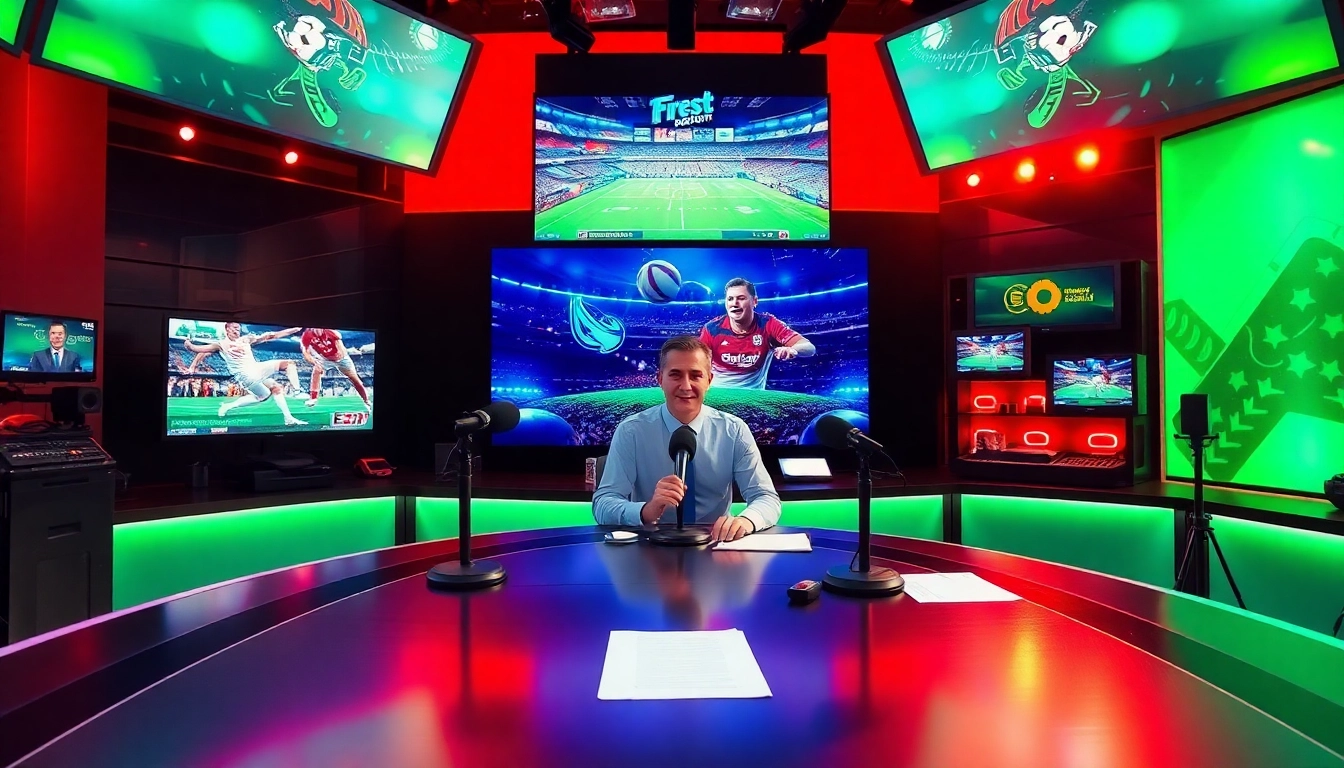
The Fundamentals of Sports Broadcasting
Understanding the Basics of Sports Broadcasting
Sports broadcasting is a dynamic and complex field that combines the excitement of live sports with the intricacies of media production. At its core, sports broadcasting involves the live transmission of sporting events to viewers across various platforms, including television, radio, and digital outlets. The primary aim is to deliver engaging content that captures the thrill and emotion of sports, ensuring that audiences remain both informed and entertained.
One of the key features of Sports Broadcasting is its capacity to bring different perspectives on sports. Whether it’s the commentary during a game or the reporting of highlights afterward, various components come together to create a vibrant atmosphere for fans. Thus, understanding the various elements of sports broadcasting is essential for any aspiring professional in the field.
Essential Equipment for Effective Sports Broadcasting
To deliver high-quality sports broadcasts, a range of equipment is needed. Among the most critical are:
- Cameras: Multiple cameras are essential to capture every angle during a game. High-definition cameras offer clarity, while specialized cameras, like 360-degree or slow-motion cameras, enhance viewer experience.
- Microphones: Quality audio is just as important as video. Lapel and shotgun microphones are commonly used to capture commentary and ambient sounds effectively.
- Switchers and Mixers: These devices allow broadcasters to integrate various feeds, enhancing the overall production quality. They enable real-time switching between cameras, audio channels, and graphics.
- Editing Software: Post-production is key for highlights and recap programs. Tools like Adobe Premiere Pro or Final Cut Pro enable editors to compile and polish footage for broadcast.
- Transmission Equipment: This includes satellite and internet broadcasting tools that ensure a seamless live broadcast experience.
Key Roles in a Sports Broadcasting Team
A successful sports broadcast hinges on the collaboration of diverse team members, each fulfilling distinct roles:
- Sports Commentator: Providing live commentary, these professionals offer insights, analysis, and play-by-play descriptions that guide viewers through the action.
- Producers: Responsible for the overall coordination of the broadcast, producers manage the crew, timings, and content scheduling.
- Cameramen: These individuals operate the cameras, capturing the action from various angles. They must anticipate the flow of the event to ensure they are always filming the most critical moments.
- Technical Directors: In charge of managing the transmission and technical aspects of the broadcast, including audio, video feeds, and graphics.
- Researchers: Providing background information and statistics, researchers help the on-air talent deliver accurate and engaging content.
Techniques for Engaging Sports Commentary
Developing Your Commentary Style
Sports commentary is a unique art form that requires a blend of personality, knowledge, and effective communication. Each commentator should strive to develop a signature style that resonates with their audience while remaining informative. Here are some strategies for honing your commentary style:
- Master Your Sport: Deep knowledge of the sport you are covering is crucial. Familiarize yourself with the rules, teams, players, and recent trends to provide context and insights during broadcasts.
- Practice Delivery: Your tone, pace, and voice modulation can set the mood for a broadcast. Regular practice, including speaking in front of a mirror or during mock broadcasts, can enhance delivery skills.
- Be Relatable: Building rapport with the audience is essential. Infusing your commentary with personal anecdotes, humor, or relatable insights can create a connection with viewers.
Utilizing Storytelling in Sports Broadcasting
Storytelling is a powerful tool in sports broadcasting, allowing commentators to elevate the narrative around games. Good commentary not only informs but also paints a vivid picture, helping viewers feel immersed in the experience. Here are some tips for integrating story elements:
- Contextualize Events: Providing background stories about teams or players can add depth to the live broadcast. Discussing past matches or key player milestones can engage viewers more than just the current game.
- Highlight Rivalries: Emphasizing historical rivalries adds an emotional layer to the commentary. This investment in narrative can enhance viewer engagement as they relate to longstanding conflicts and stories.
- Create Suspense: Timing your commentary to build suspense, particularly during critical moments of a game, can heighten viewer anticipation and excitement.
Strategies for Live Coverage and Reporting
Live sports coverage poses unique challenges, as events unfold in real-time. Here are some effective strategies:
- Stay Alert: Constantly monitor the play, players, and audience reactions. This attentiveness is vital to ensure timely and relevant commentary.
- Use Stats Wisely: Incorporate relevant statistics to enhance commentary without overwhelming the audience. Clear, concise stats can be powerful tools to underscore key moments.
- Backup Plans: In the event of technical issues, having backup scripts or contingency plans ensures the broadcast continues smoothly without leaving viewers disengaged.
Exploring Modern Trends in Sports Broadcasting
The Rise of Digital and Streaming Platforms
In recent years, the landscape of sports broadcasting has dramatically evolved due to the advent of digital and streaming platforms. Traditional cable viewership has declined significantly as viewers increasingly prefer on-demand content.
- Accessibility: Digital platforms allow fans to watch games on various devices, meeting the demands of viewers who want flexibility in accessing content.
- Global Reach: Streaming services enable broadcasters to reach international audiences, expanding the viewership base beyond local markets.
- Customized Content: With interactive features, fans can tailor their viewing experiences, such as choosing between multiple camera angles or receiving highlight notifications.
Integrating Social Media into Sports Broadcasting
Social media has become an integral part of sports broadcasting. It plays a key role in how audiences engage with sports, both during and after events:
- Real-time Updates: Broadcasters can use platforms like Twitter to provide live updates, adding a layer of engagement that enhances viewership.
- Fan Interaction: Encouraging viewers to share their thoughts, questions, and opinions generates a community feeling and expands the broadcast’s reach.
- Highlight Sharing: Using social media to share game highlights extends the reach of your content beyond traditional broadcasts, increasing viewer engagement.
The Importance of Interactive Content for Audiences
Interactive content is increasingly vital in retaining viewer engagement. It allows audiences to participate actively in broadcasts:
- Polls and Quizzes: Engage viewers by presenting them with polls or quizzes during broadcasts to gather opinions or test their sports knowledge.
- Augmented Reality (AR): Implementing AR features in broadcasts can provide audiences with a more immersive experience, such as player stats or historical comparisons displayed on-screen.
- Virtual Fan Experiences: Innovations such as virtual meet-and-greets or live Q&A sessions with players can enhance the viewer connection.
Best Practices for Effective Audience Engagement
Building a Loyal Viewership in Sports Broadcasting
Fostering loyalty among viewers requires deliberate efforts that go beyond merely broadcasting games:
- Consistent Quality: Delivering consistent, high-quality broadcasts will build trust with your audience.
- Engage with Your Community: Develop a strong presence across various platforms, responding to comments and feedback, and hosting community events around sports.
- Offer Exclusive Content: Providing value-added content, such as behind-the-scenes access or in-depth interviews, can help retain audience interest.
Feedback Mechanisms to Enhance Audience Experience
Feedback from viewers is crucial for improving broadcasts. Establish systems for gathering and analyzing audience opinions:
- Surveys: Conduct regular surveys post-broadcast to ask viewers about their viewing experience and suggestions for improvement.
- Analytics: Utilize viewership analytics to monitor engagement patterns and tailor future content based on viewer preferences.
- Social Listening: Monitor social media conversations around your broadcasts to identify audience sentiment and adjust strategies accordingly.
Leveraging Analytics to Improve Engagement
Data-driven decisions are essential in the sports broadcasting arena. By analyzing viewer data, broadcasters can adapt their content strategy for improved engagement:
- Track Viewer Preferences: Review data on which broadcasts received the highest engagement and tailor your future content accordingly.
- Segment Audience: Understand different audience segments and target content that caters to their specific interests and preferences.
- Optimize Timing: Analyze viewership trends to determine the best times to air content, maximizing audience retention.
Measuring Success in Sports Broadcasting
Key Performance Indicators for Sports Broadcasting
To determine the success of any sports broadcast, certain key performance indicators (KPIs) should be monitored:
- Viewership Ratings: Track ratings to understand the size and demographics of your audience.
- Engagement Metrics: This includes social media interactions, website traffic during broadcasts, and comments or shares of content.
- Revenue Metrics: Assess advertising revenue and sponsorship deals as indicators of the broadcast’s financial health.
Evaluating Audience Growth and Retention
Audience growth and retention are critical metrics that reflect the effectiveness of your broadcasting strategy:
- Subscriber Counts: Monitor the number of new subscriptions for digital services and compare them to losses to gauge overall growth.
- Repeat Viewership: Analyze how many viewers return for subsequent broadcasts. High repeat rates often indicate strong engagement.
- Demographic Studies: Regularly evaluate who your audience is to ensure you are attracting and retaining the desired viewer segments.
Adapting to Viewer Preferences and Trends
The sports broadcasting landscape is continually evolving; thus, staying current with viewer preferences is vital:
- Trend Analysis: Regularly researching industry trends, such as emerging technologies or storytelling methods, can give your broadcasts a modern edge.
- Feedback Utilization: Incorporate audience feedback to make real-time adjustments to content and delivery methods.
- Experimentation: Stay open to testing new formats or approaches based on emerging trends, ensuring your broadcasts remain fresh and relevant.
Frequently Asked Questions
What is sports broadcasting?
Sports broadcasting involves the live transmission of sporting events across various media outlets, including TV, radio, and digital, aiming to inform and entertain audiences.
What roles are essential in a sports broadcasting team?
Key roles include sports commentators, producers, technical directors, cameramen, and researchers, each contributing to a successful broadcast.
How can I improve my sports commentary skills?
To enhance your commentary, master your sport, practice your delivery regularly, and develop a relatable on-air personality that resonates with the audience.
What are some modern trends in sports broadcasting?
Modern trends include the rise of digital streaming platforms, social media integration, and the use of interactive content to engage viewers.
How do I measure the success of a sports broadcast?
Success can be measured through key performance indicators, including viewership ratings, audience engagement metrics, and revenue analysis.